For many young people, entering adulthood today looks very different from what previous generations experienced. The cost of attending college continues to rise, housing prices have skyrocketed, and entry level wages have struggled to keep up with the increased cost of living, making the transition into financial independence more difficult than it once was (Bentz). Many young adults are graduating with debt, facing expensive housing markets, and navigating a workforce where stable wages and long-term career opportunities can be difficult to secure. Throughout the United States, the wealth gap between the highest and lowest income households has reached historic levels, making it increasingly difficult for young adults to get a good financial foothold once they enter the ‘real world.’ As opportunity becomes more closely tied to family wealth rather than talent or effort, states like California have the opportunity and responsibility to lead reforms to restore economic mobility.
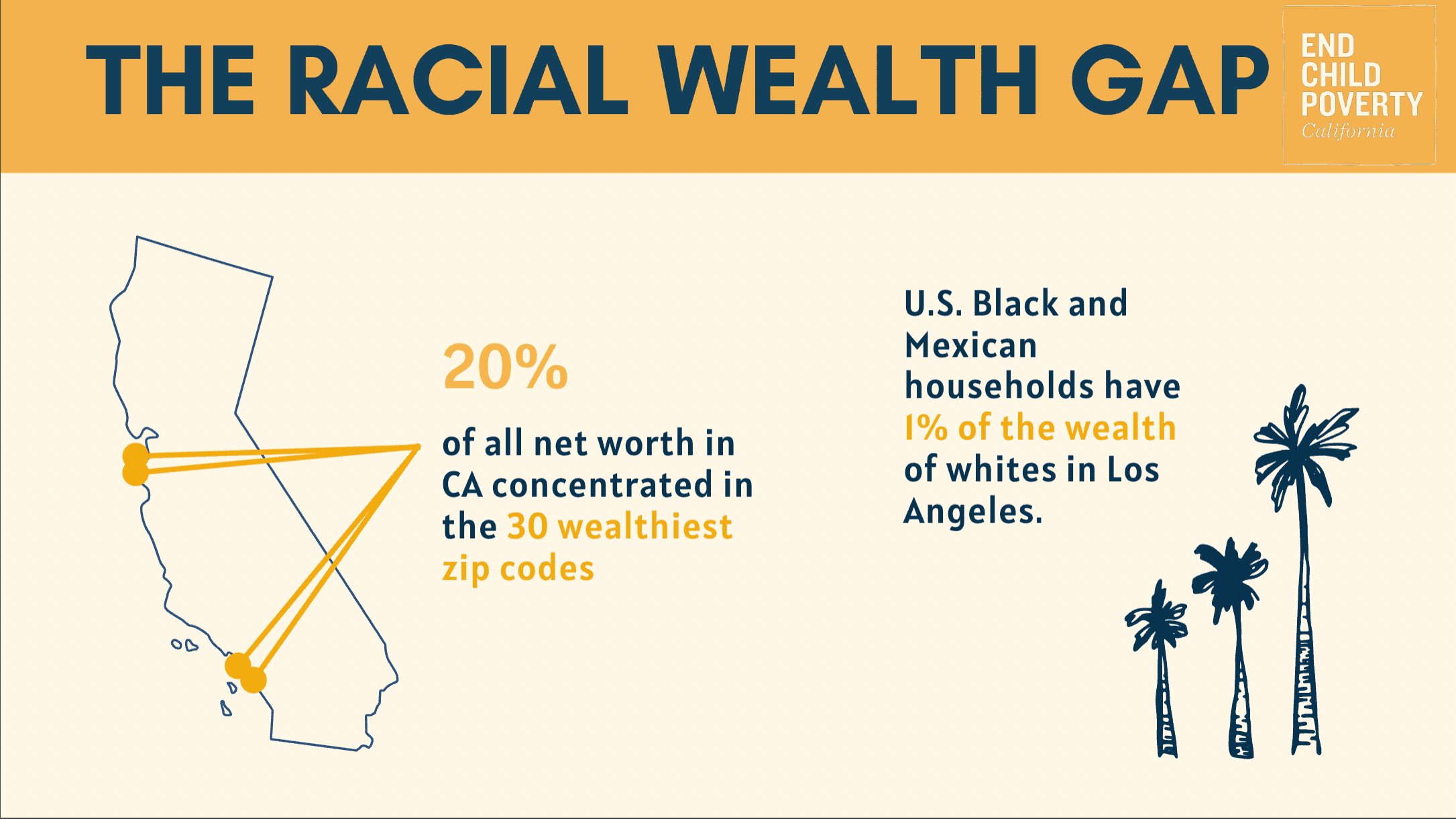
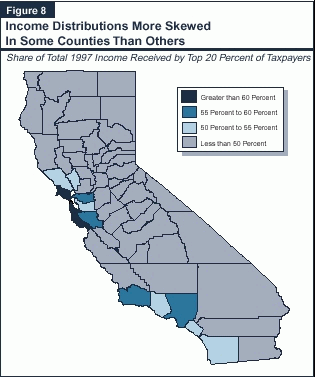
This growing divide raises an important question: if economic opportunity is supposed to reward hard work and talent, why are so many young people struggling to achieve financial stability? The answer lies in broader economic conditions that have played a crucial role in widening the wealth gap over time (California Budget & Policy Center). These conditions affect not only individuals’ finances but also an entire generation's ability to build a sustainable living. California represents an important case study as the state is home to some of the largest technology companies and wealthiest communities in the world, such as San Francisco, Los Angeles, Beverly Hills, and Hollywood, yet it also contains some of the highest housing costs and levels of income inequality in the country. (California Budget & Policy Center) This contradiction showcases the central issue explored in this project: how can a state that generates so much economic wealth still have such a large separation of wealth?
This project explores how wealth inequality has developed in California, why it has become such a significant challenge for younger generations, and what types of solutions can help restore economic mobility. Wealth inequality increasingly restricts economic mobility for young adults nationwide. California must lead reform by implementing a Generational Economic Mobility initiative that mandates paid internships, expands need-based tuition support, and integrates financial literacy education within the UC and CSU, positioning California as a national model for restoring economic mobility among young adults.